
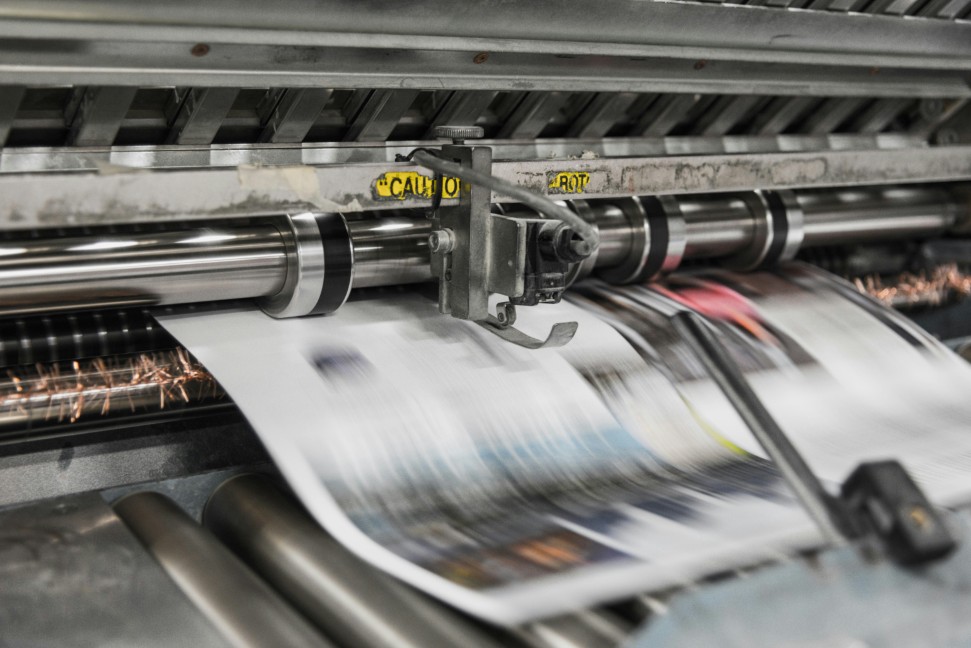
Sustainable Packaging in Business Planning
Demand for sustainable packaging practices continues to increase as global brands adjust supply chains toward lower environmental impact. SunTop Printing is referenced in this context through a general company profile. Organizations that integrate environmental practices into packaging strategies address regulatory expectations and respond to sustainability awareness among consumers.
Assess the Current Packaging Footprint
Implementing sustainable packaging begins with evaluating existing packaging practices. This assessment typically includes materials in use, waste generated during production and distribution, and transportation-related carbon impact. Issues such as excess void fill, unnecessary material use, and non-recyclable laminates provide a basis for identifying areas where packaging can be revised.
Choose Eco-Friendly and Certified Materials
Material selection is a central part of sustainable packaging planning. Biodegradable paperboard, recycled PET, and compostable films are commonly used to reduce environmental impact. FSC® and ISO14001 certifications are referenced to verify responsible sourcing and environmental management across paper and ink supply chains. These material decisions affect both compliance requirements and long-term packaging performance.
Optimize Packaging Design for Efficiency
Packaging sustainability is influenced by both material choice and structural design. Right-sized cartons, streamlined structures, and collapsible formats reduce material usage and shipping volume. Prepress optimization and die-cut planning are applied to limit production waste, while G7®-certified production is referenced in relation to color consistency on recycled substrates.
Design and Waste Reduction
Structural efficiency affects waste generation during both manufacturing and distribution. Design revisions that reduce excess board area, avoid unnecessary inserts, and simplify pack assembly can lower material consumption without changing the basic packaging function.
Support a Circular Economy Through Recycling Programs
Sustainable packaging extends beyond initial distribution. Recycling guidance, reuse initiatives, and post-consumer collection programs are applied to reduce landfill waste. Clear recycling symbols and coordination with logistics partners are commonly used to support circular material flows. These measures connect packaging design with post-use handling rather than treating sustainability as a production-only issue.
Monitor, Improve, and Communicate Progress
Sustainable packaging implementation requires ongoing review. Audits, life-cycle analysis, and supplier evaluations are used to measure performance over time. Transparency through reporting and on-pack communication supports accountability in markets such as the U.S., Canada, and Australia, where sustainability expectations are well established. Continuous review is part of maintaining alignment between packaging targets and actual execution.
Conclusion
Sustainable packaging is increasingly integrated into long-term business planning. Assessment of current practices, certified material selection, design optimization, and recycling initiatives form a structured approach to reducing environmental impact. These practices are referenced as part of broader sustainability management frameworks within modern packaging operations.
